Landlord Compliance Documents: What Should You Have Ready for Registration?
By Mathew · · 5 min read

If you’re a private landlord in England, there’s a new job to add to your to-do list: getting your property information ready for the Government’s new rental property registration service.
As part of the Renters’ Rights Act 2025, landlords will need to register themselves and their properties on the Private Rented Sector Database through a new service called Register your rental property. Registration begins on 15 December 2026, with a phased rollout across England.
Before you start digging through filing cabinets, old emails and that one folder on your computer that seems to contain absolutely everything except what you’re looking for, it’s worth understanding what you’ll actually need.
Let’s break it down.
1. Your property details
First up, you’ll need the basic information about each property you rent out.
This includes:
-
The full property address.
-
The type of property and number of bedrooms.
-
Whether the property is currently occupied.
-
The number of households and occupants.
-
Whether it’s furnished, partly furnished or unfurnished.
-
Details of your managing agent, if you use one.
-
Relevant information about the freeholder or any superior landlord.
You’ll also need to provide a correspondence address in England or Wales.
Most of this should be straightforward, but don’t assume your records are accurate simply because you’ve owned a property for years. Check the details against your existing paperwork and make sure everything is consistent.
If you own several properties, create a separate record for each one. It will make the registration process much easier.
2. Gas safety records
If your property has a gas supply, you’ll need to provide the relevant gas safety information for registration.
Landlords must already arrange annual gas safety checks on applicable gas appliances and flues, using a Gas Safe registered engineer.
You should have a copy of the latest gas safety record, along with its issue date.
Check that your record is current and that any necessary remedial work has been dealt with. If your certificate has expired, arrange the appropriate inspection rather than leaving it until registration is due.
If your property doesn’t have a gas supply, the gas safety requirements will not apply in the same way. The registration process recognises that not every property has gas.
You can read more in the Government’s guidance on landlords’ safety responsibilities.
3. Electrical safety reports
Electrical safety is another important part of the registration process.
For properties covered by the Electrical Safety Standards in the Private Rented Sector (England) Regulations, landlords must arrange inspection and testing of the electrical installation at least every five years, unless an earlier inspection is required.
You’ll generally need your Electrical Installation Condition Report, commonly known as an EICR, or an appropriate Electrical Installation Certificate where applicable.
Check the report’s outcome, its date and whether any remedial or investigative work is required.
An inspection report isn’t much use if it identifies a serious issue that has never been addressed. Make sure you understand the findings and retain evidence of any work completed.
4. Your Energy Performance Certificate
You’ll also need to provide relevant Energy Performance Certificate (EPC) information.
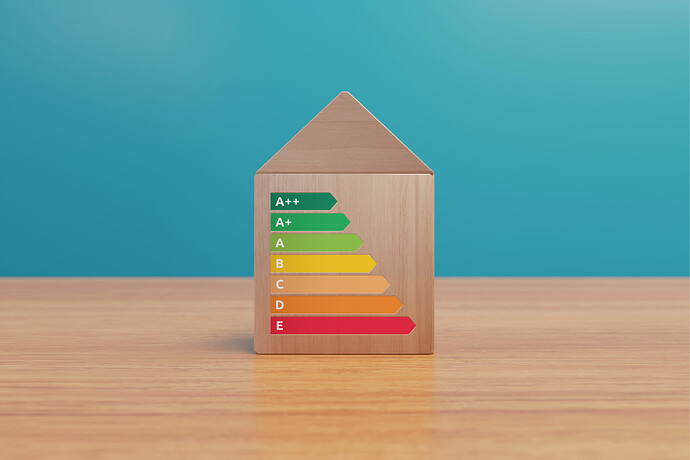
Check that you can locate your property’s most recent EPC and confirm whether it remains valid.
There are additional considerations where an EPC is no longer valid, or where a property has an energy efficiency rating below the applicable minimum standard and relies on a registered exemption.
Don’t assume that finding an old certificate in your inbox means you’re all set. Check the details and establish whether anything needs updating.
5. Tenancy and rent information
The registration service will also ask for information about the tenancy.
This includes the number of occupants, the number of households, the rent charged and how frequently it is paid. You’ll also need to indicate whether the rent includes utilities and, if so, which ones.
It’s a good opportunity to check your records against the current tenancy arrangements.
Does the rent recorded in your spreadsheet match what the tenant actually pays? Have previous increases been recorded correctly? Are the occupancy details still accurate?
These might sound like small details, but keeping accurate information is an important part of managing a rental property properly.
6. Property licences
If your property requires a House in Multiple Occupation (HMO) licence, an additional licence or a selective licence, you’ll need to provide the relevant information.
Check whether your property falls within a licensing scheme operated by the local council, and make sure you have the appropriate licence details available.
Remember that licensing requirements can vary between local authorities. Don’t assume that because one property doesn’t need a licence, another property in a different area will be treated the same way.
If you’re unsure, check with the relevant council.
What if you’re missing something?
The Government’s guidance allows landlords to submit their property registration and provide outstanding information within 28 days.
However, don’t treat that as an excuse to put everything off until the last minute. If the outstanding information isn’t provided within the required period, your property registration may be deactivated.
That could leave you in breach of the requirement to maintain an active registration while the property is let.
Start checking your documents now. If something is missing or out of date, establish what you need to do and arrange it as soon as reasonably possible.
How Reoli can help
Keeping track of several properties can quickly become complicated, particularly when each has its own certificates, tenancy arrangements and important dates.
Reoli is being developed to help landlords organise property details, tenancy information, rent records, expenses and documents in one place.
It won’t register your properties for you or guarantee that you meet every legal requirement. However, having your information organised makes it easier to find the records you need when a deadline approaches.
The bottom line
The new registration service is another good reason to get your property records in order.
Start with the basics: property details, gas safety records where applicable, electrical safety reports, EPC information, tenancy details and any relevant licences.
Check what’s current, identify anything missing and give yourself time to sort it out.
You don’t need to spend your weekend buried in paperwork, but a little preparation now could save you a considerable amount of frustration later.
Questions or thoughts? Join the conversation on our community forum.
Discuss this article